

A Logo Is Not a Brand
The deeper architecture behind brands that people actually feel something about.
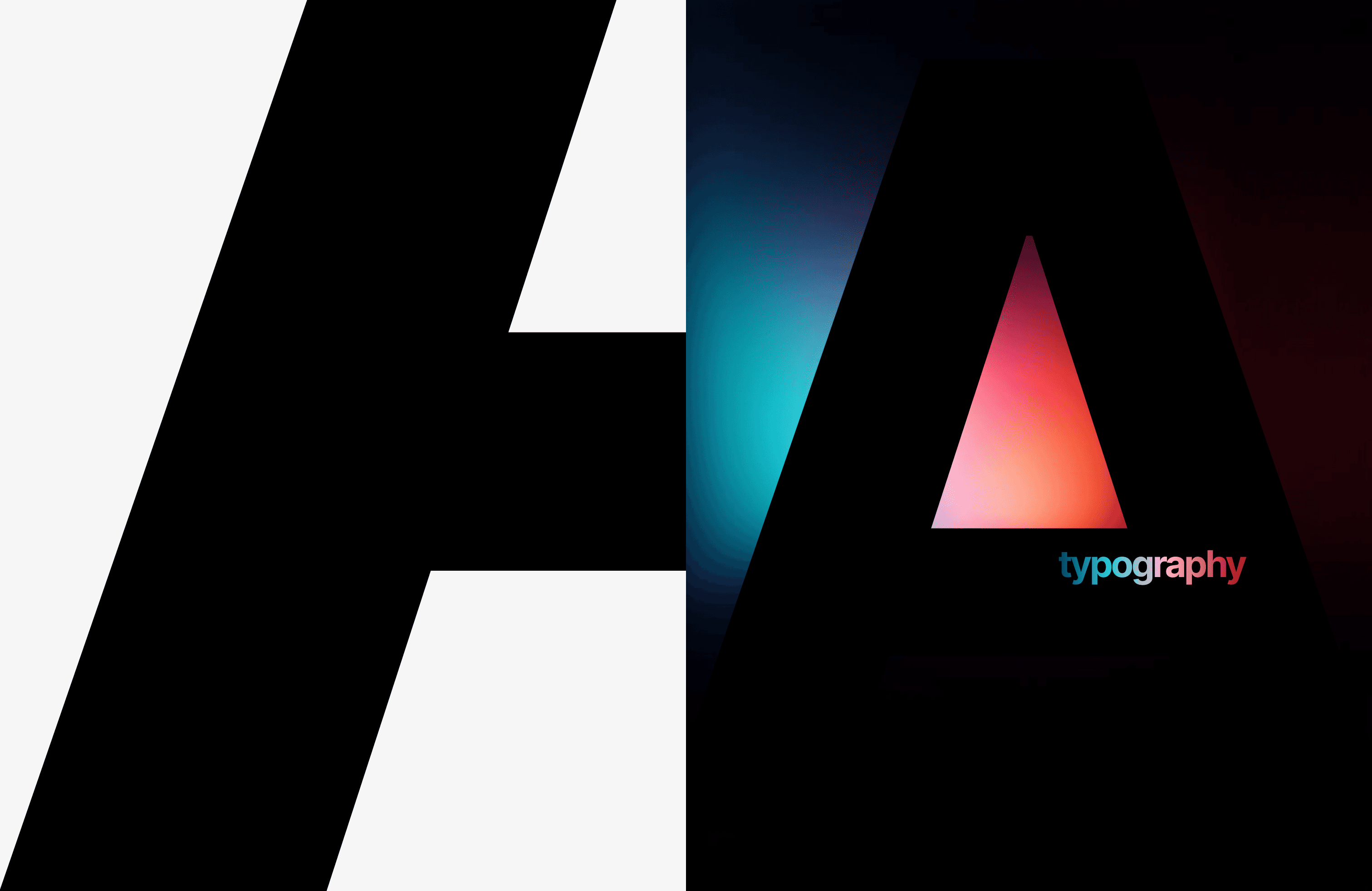
A Logo Is Not a Brand
Written by
Founder & Chief Advisor

A logo gets you recognized. A brand gets you remembered, trusted, and recommended. The two are related, but they are nowhere near the same thing. Here's what actually builds a brand people care about.

Recognition Is Only the Beginning
The logo is the entry point. The brand is the promise you make, the experience you deliver, and the emotional association that forms after repeated interactions. That's what customers remember, talk about, and come back for.
Strong brands are built from positioning, product truth, consistency, and emotional payoff. Every touchpoint shapes perception: customer support, onboarding, billing behavior, product quality. Advertising contributes, but the full experience carries the weight.
The Architecture Behind It
Brands people feel something about are built in layers:
Positioning: why this brand, for this person, for this situation. Without it, even a great logo sits on top of a vague offer.
Brand promise: the consistent outcome the brand commits to delivering. If the promise is trust, speed, or expertise, every interaction has to reinforce it.
Emotional territory: people don't only buy what a product does, they buy what it makes them feel. That feeling drives loyalty and repeat purchase.
Consistency: the same tone, quality, and behavior showing up repeatedly until customers can predict the brand. That predictability builds trust.
Where Businesses Get This Wrong
Many businesses mistake identity design for brand building, which produces polished assets with weak market pull. Recognition only works when it's backed by a meaningful experience and a clear brand story.
Customers don't form relationships with shapes and colors. They form relationships with reliability, relevance, and feeling. A logo can signal those things, but it cannot create them.
Key Takeaways
A logo creates recognition; the brand creates trust, loyalty, and memory
Brand is shaped by every interaction a customer has with the business, not just design
Clear positioning, a consistent promise, and emotional territory are the real building blocks
Operations shape brand perception just as much as design does
Design the symbol, engineer the meaning

Stay Updated with The Go-To Guy

More articles

Wednesday, October 7, 2026
Written by
Sunny Singh
Grok AI and SEO: How AI Search Is Changing SEO
There’s more to being found.
Learn what Grok and AI search mean for SEO and how your content gets picked for answers.

Friday, September 11, 2026
Written by
Waseq Shaaz
Why AI makes brands look the same & how to beat it
The Role of Human Intelligence & Strategy in Creating Brand Distinction
AI makes branding faster, but can make brands look the same. Learn how Brand Strategy gives your brand a clear idea and helps it look different and be remembered.
Friday, August 7, 2026
Written by
Ajay Kulkarni
How to Track AI Traffic in GA4 (ChatGPT, Gemini & Perplexity)
Track AI Assistant Traffic in GA4 for Better Insights
Track AI traffic in GA4 with new AI Assistant channels and insights to optimize SEO strategy, content performance, and digital marketing efforts.
Thursday, February 26, 2026
Written by
Ajay Kulkarni
Where Did the Ad Budget Go?
The hidden budget drains killing your ROAS, and how to plug them fast.
ROAS drops gradually, through small inefficiencies that each look manageable on their own. By the time the numbers look bad, the budget has been leaking for weeks. Here's where to look and what to fix first.

Wednesday, February 25, 2026
Written by
Aryaa Dhavse
Loud Isn't the Same as Clear
Building a brand voice that cuts through noise without shouting louder than everyone else.
Most brands respond to a crowded market by turning up the volume. More posts, bigger claims, louder creative. The brands people actually remember usually do the opposite.
A Logo Is Not a Brand
The deeper architecture behind brands that people actually feel something about.
A Logo Is Not a Brand
Written by
Founder & Chief Advisor
A logo gets you recognized. A brand gets you remembered, trusted, and recommended. The two are related, but they are nowhere near the same thing. Here's what actually builds a brand people care about.
Recognition Is Only the Beginning
The logo is the entry point. The brand is the promise you make, the experience you deliver, and the emotional association that forms after repeated interactions. That's what customers remember, talk about, and come back for.
Strong brands are built from positioning, product truth, consistency, and emotional payoff. Every touchpoint shapes perception: customer support, onboarding, billing behavior, product quality. Advertising contributes, but the full experience carries the weight.
The Architecture Behind It
Brands people feel something about are built in layers:
Positioning: why this brand, for this person, for this situation. Without it, even a great logo sits on top of a vague offer.
Brand promise: the consistent outcome the brand commits to delivering. If the promise is trust, speed, or expertise, every interaction has to reinforce it.
Emotional territory: people don't only buy what a product does, they buy what it makes them feel. That feeling drives loyalty and repeat purchase.
Consistency: the same tone, quality, and behavior showing up repeatedly until customers can predict the brand. That predictability builds trust.
Where Businesses Get This Wrong
Many businesses mistake identity design for brand building, which produces polished assets with weak market pull. Recognition only works when it's backed by a meaningful experience and a clear brand story.
Customers don't form relationships with shapes and colors. They form relationships with reliability, relevance, and feeling. A logo can signal those things, but it cannot create them.
Key Takeaways
A logo creates recognition; the brand creates trust, loyalty, and memory
Brand is shaped by every interaction a customer has with the business, not just design
Clear positioning, a consistent promise, and emotional territory are the real building blocks
Operations shape brand perception just as much as design does
Design the symbol, engineer the meaning
Stay Updated with The Go-To Guy
More articles
Grok AI and SEO: How AI Search Is Changing SEO
There’s more to being found.
Why AI makes brands look the same & how to beat it
The Role of Human Intelligence & Strategy in Creating Brand Distinction
How to Track AI Traffic in GA4 (ChatGPT, Gemini & Perplexity)
Track AI Assistant Traffic in GA4 for Better Insights
Where Did the Ad Budget Go?
The hidden budget drains killing your ROAS, and how to plug them fast.
Loud Isn't the Same as Clear
Building a brand voice that cuts through noise without shouting louder than everyone else.
A Logo Is Not a Brand
The deeper architecture behind brands that people actually feel something about.
A Logo Is Not a Brand
Written by
Founder & Chief Advisor
A logo gets you recognized. A brand gets you remembered, trusted, and recommended. The two are related, but they are nowhere near the same thing. Here's what actually builds a brand people care about.
Recognition Is Only the Beginning
The logo is the entry point. The brand is the promise you make, the experience you deliver, and the emotional association that forms after repeated interactions. That's what customers remember, talk about, and come back for.
Strong brands are built from positioning, product truth, consistency, and emotional payoff. Every touchpoint shapes perception: customer support, onboarding, billing behavior, product quality. Advertising contributes, but the full experience carries the weight.
The Architecture Behind It
Brands people feel something about are built in layers:
Positioning: why this brand, for this person, for this situation. Without it, even a great logo sits on top of a vague offer.
Brand promise: the consistent outcome the brand commits to delivering. If the promise is trust, speed, or expertise, every interaction has to reinforce it.
Emotional territory: people don't only buy what a product does, they buy what it makes them feel. That feeling drives loyalty and repeat purchase.
Consistency: the same tone, quality, and behavior showing up repeatedly until customers can predict the brand. That predictability builds trust.
Where Businesses Get This Wrong
Many businesses mistake identity design for brand building, which produces polished assets with weak market pull. Recognition only works when it's backed by a meaningful experience and a clear brand story.
Customers don't form relationships with shapes and colors. They form relationships with reliability, relevance, and feeling. A logo can signal those things, but it cannot create them.
Key Takeaways
A logo creates recognition; the brand creates trust, loyalty, and memory
Brand is shaped by every interaction a customer has with the business, not just design
Clear positioning, a consistent promise, and emotional territory are the real building blocks
Operations shape brand perception just as much as design does
Design the symbol, engineer the meaning
Stay Updated with The Go-To Guy
More articles
Grok AI and SEO: How AI Search Is Changing SEO
There’s more to being found.
Why AI makes brands look the same & how to beat it
The Role of Human Intelligence & Strategy in Creating Brand Distinction
How to Track AI Traffic in GA4 (ChatGPT, Gemini & Perplexity)
Track AI Assistant Traffic in GA4 for Better Insights
Where Did the Ad Budget Go?
The hidden budget drains killing your ROAS, and how to plug them fast.
Loud Isn't the Same as Clear
Building a brand voice that cuts through noise without shouting louder than everyone else.

We Transform Brands. Your Success Is Next.
Start your project now by booking a one-on-one consultation with our expert.
Meet the partners who are part of our success story



We Transform Brands. Your Success Is Next.
Start your project now by booking a one-on-one consultation with our expert.
Meet the partners who are part of our success story
A Logo Is Not a Brand
The deeper architecture behind brands that people actually feel something about.
A Logo Is Not a Brand
Written by
Founder & Chief Advisor
A logo gets you recognized. A brand gets you remembered, trusted, and recommended. The two are related, but they are nowhere near the same thing. Here's what actually builds a brand people care about.
Recognition Is Only the Beginning
The logo is the entry point. The brand is the promise you make, the experience you deliver, and the emotional association that forms after repeated interactions. That's what customers remember, talk about, and come back for.
Strong brands are built from positioning, product truth, consistency, and emotional payoff. Every touchpoint shapes perception: customer support, onboarding, billing behavior, product quality. Advertising contributes, but the full experience carries the weight.
The Architecture Behind It
Brands people feel something about are built in layers:
Positioning: why this brand, for this person, for this situation. Without it, even a great logo sits on top of a vague offer.
Brand promise: the consistent outcome the brand commits to delivering. If the promise is trust, speed, or expertise, every interaction has to reinforce it.
Emotional territory: people don't only buy what a product does, they buy what it makes them feel. That feeling drives loyalty and repeat purchase.
Consistency: the same tone, quality, and behavior showing up repeatedly until customers can predict the brand. That predictability builds trust.
Where Businesses Get This Wrong
Many businesses mistake identity design for brand building, which produces polished assets with weak market pull. Recognition only works when it's backed by a meaningful experience and a clear brand story.
Customers don't form relationships with shapes and colors. They form relationships with reliability, relevance, and feeling. A logo can signal those things, but it cannot create them.
Key Takeaways
A logo creates recognition; the brand creates trust, loyalty, and memory
Brand is shaped by every interaction a customer has with the business, not just design
Clear positioning, a consistent promise, and emotional territory are the real building blocks
Operations shape brand perception just as much as design does
Design the symbol, engineer the meaning
Stay Updated with The Go-To Guy
More articles
Wednesday, October 7, 2026
Written by
Sunny Singh
Grok AI and SEO: How AI Search Is Changing SEO
There’s more to being found.
Learn what Grok and AI search mean for SEO and how your content gets picked for answers.
Friday, September 11, 2026
Written by
Waseq Shaaz
Why AI makes brands look the same & how to beat it
The Role of Human Intelligence & Strategy in Creating Brand Distinction
AI makes branding faster, but can make brands look the same. Learn how Brand Strategy gives your brand a clear idea and helps it look different and be remembered.
Friday, August 7, 2026
Written by
Ajay Kulkarni
How to Track AI Traffic in GA4 (ChatGPT, Gemini & Perplexity)
Track AI Assistant Traffic in GA4 for Better Insights
Track AI traffic in GA4 with new AI Assistant channels and insights to optimize SEO strategy, content performance, and digital marketing efforts.
Thursday, February 26, 2026
Written by
Ajay Kulkarni
Where Did the Ad Budget Go?
The hidden budget drains killing your ROAS, and how to plug them fast.
ROAS drops gradually, through small inefficiencies that each look manageable on their own. By the time the numbers look bad, the budget has been leaking for weeks. Here's where to look and what to fix first.
Wednesday, February 25, 2026
Written by
Aryaa Dhavse
Loud Isn't the Same as Clear
Building a brand voice that cuts through noise without shouting louder than everyone else.
Most brands respond to a crowded market by turning up the volume. More posts, bigger claims, louder creative. The brands people actually remember usually do the opposite.
A Logo Is Not a Brand
The deeper architecture behind brands that people actually feel something about.
A Logo Is Not a Brand
Written by
Founder & Chief Advisor
A logo gets you recognized. A brand gets you remembered, trusted, and recommended. The two are related, but they are nowhere near the same thing. Here's what actually builds a brand people care about.
Recognition Is Only the Beginning
The logo is the entry point. The brand is the promise you make, the experience you deliver, and the emotional association that forms after repeated interactions. That's what customers remember, talk about, and come back for.
Strong brands are built from positioning, product truth, consistency, and emotional payoff. Every touchpoint shapes perception: customer support, onboarding, billing behavior, product quality. Advertising contributes, but the full experience carries the weight.
The Architecture Behind It
Brands people feel something about are built in layers:
Positioning: why this brand, for this person, for this situation. Without it, even a great logo sits on top of a vague offer.
Brand promise: the consistent outcome the brand commits to delivering. If the promise is trust, speed, or expertise, every interaction has to reinforce it.
Emotional territory: people don't only buy what a product does, they buy what it makes them feel. That feeling drives loyalty and repeat purchase.
Consistency: the same tone, quality, and behavior showing up repeatedly until customers can predict the brand. That predictability builds trust.
Where Businesses Get This Wrong
Many businesses mistake identity design for brand building, which produces polished assets with weak market pull. Recognition only works when it's backed by a meaningful experience and a clear brand story.
Customers don't form relationships with shapes and colors. They form relationships with reliability, relevance, and feeling. A logo can signal those things, but it cannot create them.
Key Takeaways
A logo creates recognition; the brand creates trust, loyalty, and memory
Brand is shaped by every interaction a customer has with the business, not just design
Clear positioning, a consistent promise, and emotional territory are the real building blocks
Operations shape brand perception just as much as design does
Design the symbol, engineer the meaning
Stay Updated with The Go-To Guy
More articles
Grok AI and SEO: How AI Search Is Changing SEO
There’s more to being found.
Why AI makes brands look the same & how to beat it
The Role of Human Intelligence & Strategy in Creating Brand Distinction
How to Track AI Traffic in GA4 (ChatGPT, Gemini & Perplexity)
Track AI Assistant Traffic in GA4 for Better Insights
Where Did the Ad Budget Go?
The hidden budget drains killing your ROAS, and how to plug them fast.
Loud Isn't the Same as Clear
Building a brand voice that cuts through noise without shouting louder than everyone else.
A Logo Is Not a Brand
The deeper architecture behind brands that people actually feel something about.
A Logo Is Not a Brand
Written by
Founder & Chief Advisor
A logo gets you recognized. A brand gets you remembered, trusted, and recommended. The two are related, but they are nowhere near the same thing. Here's what actually builds a brand people care about.
Recognition Is Only the Beginning
The logo is the entry point. The brand is the promise you make, the experience you deliver, and the emotional association that forms after repeated interactions. That's what customers remember, talk about, and come back for.
Strong brands are built from positioning, product truth, consistency, and emotional payoff. Every touchpoint shapes perception: customer support, onboarding, billing behavior, product quality. Advertising contributes, but the full experience carries the weight.
The Architecture Behind It
Brands people feel something about are built in layers:
Positioning: why this brand, for this person, for this situation. Without it, even a great logo sits on top of a vague offer.
Brand promise: the consistent outcome the brand commits to delivering. If the promise is trust, speed, or expertise, every interaction has to reinforce it.
Emotional territory: people don't only buy what a product does, they buy what it makes them feel. That feeling drives loyalty and repeat purchase.
Consistency: the same tone, quality, and behavior showing up repeatedly until customers can predict the brand. That predictability builds trust.
Where Businesses Get This Wrong
Many businesses mistake identity design for brand building, which produces polished assets with weak market pull. Recognition only works when it's backed by a meaningful experience and a clear brand story.
Customers don't form relationships with shapes and colors. They form relationships with reliability, relevance, and feeling. A logo can signal those things, but it cannot create them.
Key Takeaways
A logo creates recognition; the brand creates trust, loyalty, and memory
Brand is shaped by every interaction a customer has with the business, not just design
Clear positioning, a consistent promise, and emotional territory are the real building blocks
Operations shape brand perception just as much as design does
Design the symbol, engineer the meaning
Stay Updated with The Go-To Guy
More articles
Grok AI and SEO: How AI Search Is Changing SEO
There’s more to being found.
Why AI makes brands look the same & how to beat it
The Role of Human Intelligence & Strategy in Creating Brand Distinction
How to Track AI Traffic in GA4 (ChatGPT, Gemini & Perplexity)
Track AI Assistant Traffic in GA4 for Better Insights
Where Did the Ad Budget Go?
The hidden budget drains killing your ROAS, and how to plug them fast.
Loud Isn't the Same as Clear
Building a brand voice that cuts through noise without shouting louder than everyone else.
We Transform Brands. Your Success Is Next.
Start your project now by booking a one-on-one consultation with our expert.
Meet the partners who are part of our success story