
There’s a quiet crisis happening in marketing boardrooms right now.
CMOs are sweating over spreadsheets, CFOs are demanding proof of ROI, and performance marketers are cranking up their last-click attribution models like it’s 2019. Meanwhile, board pressure on marketing leaders has risen. Everyone’s playing defense, cutting budgets, and obsessing over immediate conversions.
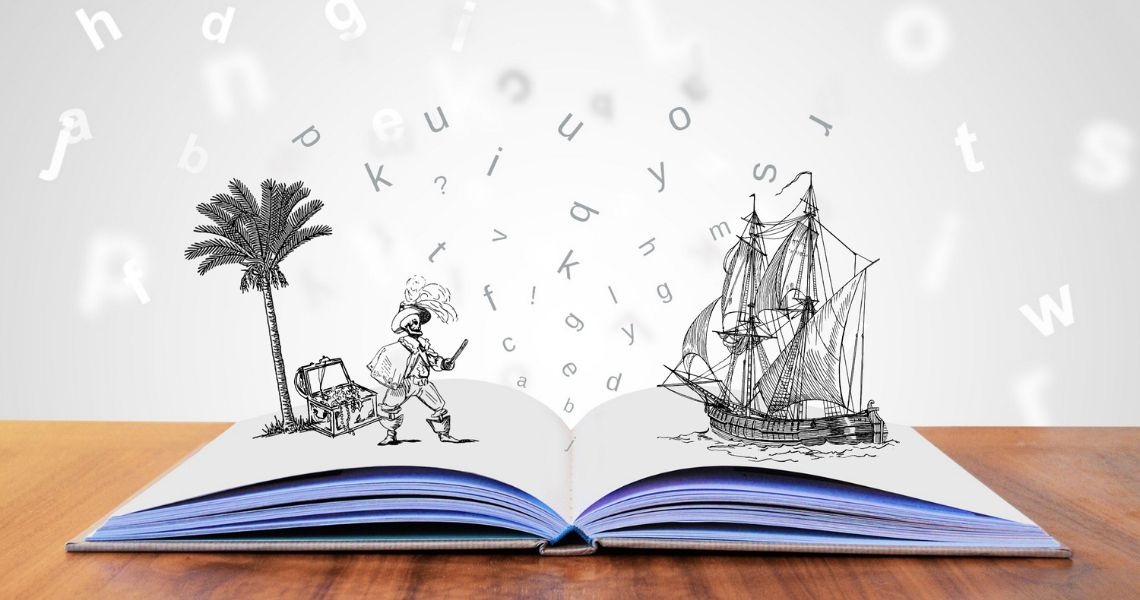
Here’s the uncomfortable truth they’re missing: the brands that will dominate 2026 aren’t the ones optimizing their cost-per-click. They’re the ones who’ve figured out that humans don’t buy products. They buy stories they want to live inside.
The Performance Marketing Paradox Nobody’s Talking About
Performance marketing promised us the holy grail: measurable, trackable, accountable advertising. Pay only for results. Track every click. Optimize in real-time.
Beautiful, right?
Except it created a template.
When you optimize purely for performance, you end up optimizing for the bottom of the funnel. You chase people already ready to buy. You ignore everyone who needs convincing. You become invisible to people who don’t even know they need you yet. Research shows that returns on media investments in the first four months equal the returns across the subsequent 20 months, but those 20 months of brand-building returns go completely unnoticed by performance-obsessed marketers.
Think about it: when was the last time you bought something because an ad followed you around the internet? Now, when was the last time you bought something because a brand made you feel something?
That’s the difference between performance marketing and brand storytelling.
One interrupts. The other invites.
Why Your Brain is Wired for Stories, Not Specs

Here’s a psychological reality that matters more than your click-through rate: people remember stories more than facts alone, and consumers are more likely to remember a story than a list of facts.
Your brain isn’t a database. It’s a narrative engine. When someone tells you a story, your brain releases oxytocin, the trust hormone. When someone shows you a spec sheet, your brain files it under “forget immediately.”
The brands winning in 2026 understand this neurological reality. They’re not building funnels. They’re building worlds people want to enter.
The Attribution Trap That’s Killing Long-Term Growth
Let’s talk about what’s actually broken in performance marketing: attribution.
Attribution is fundamentally broken, and marketing campaigns suffer because marketing spend gets cut when CMOs cannot prove return on investment. The tools we use to measure performance are lying to us. Last-click attribution gives 100% credit to the final touchpoint, completely ignoring the blog post that sparked initial interest six months ago, the Instagram story that built trust, or the YouTube video that finally convinced them you were different.
Performance marketing measures what’s easy to measure, not what actually matters. Brand storytelling doesn’t care about last-click attribution because it builds the entire journey. It creates the awareness that makes performance marketing even possible.
What 2026’s Winners Are Doing Differently
The smartest brands are integrating performance marketing with storytelling in ways that compound returns over time. According to research, the sweet spot for media investment dedicates between 50% to 60% of marketing spend to brand building, leaving 40-50% for performance-related tactics.
These brands understand that storytelling isn’t the opposite of performance. It’s the multiplier.
When you invest in brand storytelling, you’re not just buying ads. You’re buying:
- Memory real estate in your customer’s brain that compounds over time
- Trust accumulation that makes future conversions cheaper
- Word-of-mouth amplification that no paid media can replicate
- Pricing power because people pay more for brands they care about
Research confirms this: Capital One’s storytelling campaign led to a 16% increase in brand recall, while data shows stories can boost product perception by 2,706%. These aren’t vanity metrics. They’re revenue drivers.
The Consumer Psychology Shift
Something fundamental changed in consumer behavior over the past few years. In 2025, consumers are increasingly skeptical of brands positioning themselves as singular saviors and instead gravitate toward those that collaborate and contribute to collective action.
Translation: people don’t want to be sold to anymore. They want to be part of something.
Performance marketing treats people like conversion targets. Brand storytelling treats them like protagonists in a larger narrative.
Consider the psychological reality: 81% of consumers indicate the need to establish trust with a brand before committing to a purchase. You can’t shortcut trust with a retargeting ad. Trust is built through consistent storytelling that demonstrates your values.
The Death of Click-Bait and the Rise of Narrative Depth
Here’s what’s changing in 2026: attention spans aren’t actually shrinking. They’re filtering.
People will binge-watch an 8-hour series but won’t sit through your 30-second ad. Why? Because one tells a story they care about, and the other interrupts a story they’re already in.

Brands are shifting budgets toward podcast partnerships and series that give their stories room to breathe, recognizing that today’s audiences crave depth. Long-form audio storytelling is exploding because it allows brands to unfold narratives naturally, the same way great conversations do.
Performance marketing optimizes for the click. Brand storytelling optimizes for the connection. In 2026, connection wins because it’s the only thing that can’t be commoditized by AI, automation, or your competitors’ bigger budgets.
Why Brand Storytelling Is Actually the Ultimate Performance Strategy

Let’s bring this full circle with the metric that matters most: ROI.
When measured holistically, brand storytelling consistently outperforms short-term performance marketing.
Traditional performance marketing can’t capture this because it’s designed to measure immediate conversions, not compounding brand equity. It’s like judging a tree’s value by this season’s fruit while ignoring the fact that it’s growing roots that will feed you for decades.
The brands that will dominate 2026 aren’t choosing between storytelling and performance. They’re using storytelling to make their performance marketing exponentially more effective. They understand that brand storytelling isn’t the expense you justify to the CFO. It’s the investment that makes everything else work better.
And this is done well when it starts with brand building. Check out our blog on branding and brand building:
The Real Choice Facing Brands Right Now
We can never abandon data or measurement. It’s more about measuring what actually builds sustainable growth.
Performance marketing will always have its place at the bottom of the funnel, converting people who are already convinced. But brand storytelling owns the entire journey before that final click. It creates the demand that performance marketing captures.
In 2026, the brands that will outperform are the ones building narratives so compelling that by the time people reach the bottom of the funnel, conversion is inevitable.
Your competitors are fighting over the same bottom-funnel prospects with incrementally better targeting. You could be creating an entirely new market of people who’ve never heard your story yet.
The question isn’t whether story-driven brands will outperform performance-driven brands in 2026.
It’s whether you’ll be one of them.
Ready to Build Stories That Sell?
At The Go-To Guy!, we don’t do one or the other. We integrate brand storytelling with performance strategy to build campaigns that work today and compound over time. Because the best marketing doesn’t just convert customers. It creates believers.

Explore how we blend narrative and numbers to drive growth. Reach out to us now!
